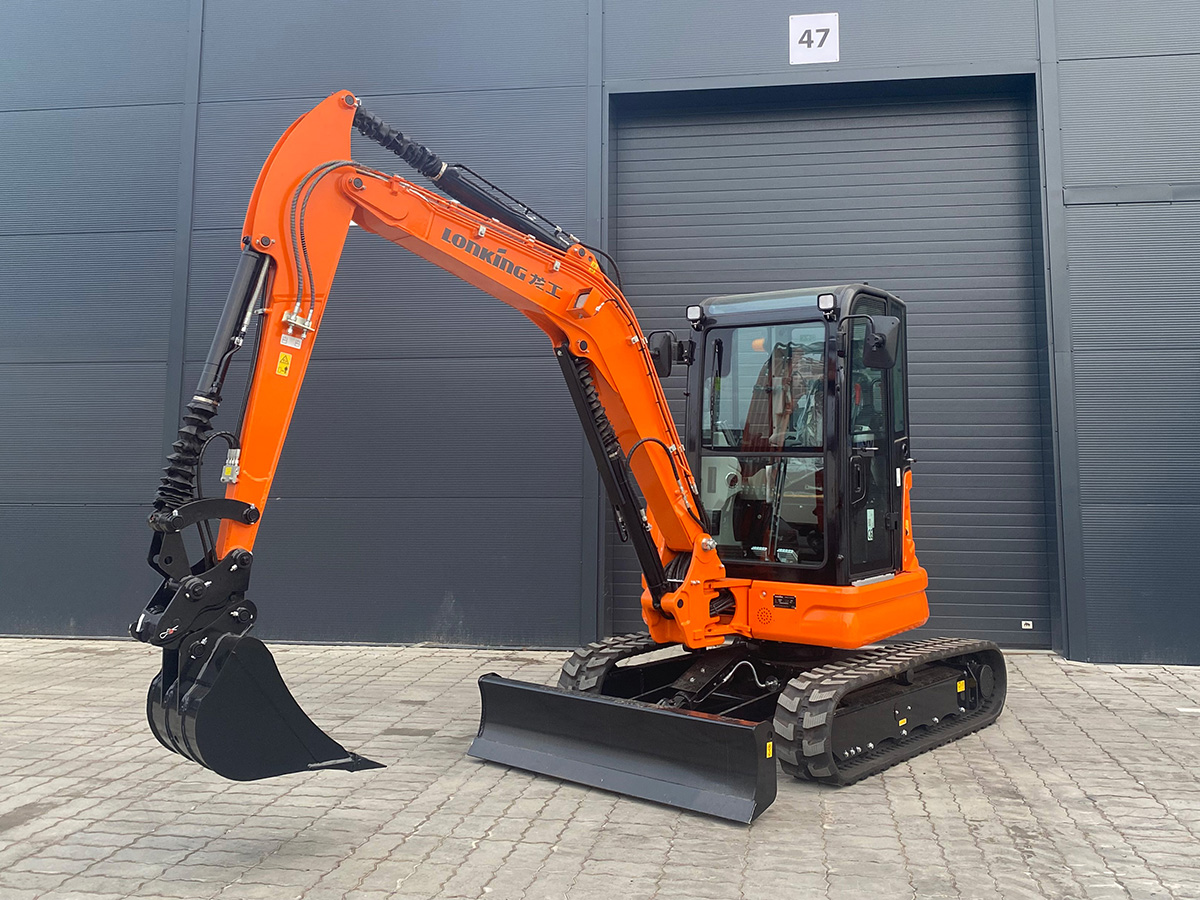
Hydraulic excavators are indispensable construction machinery on any serious worksite – and choosing the right model means saving both time and money. If your company is looking for a compact, powerful, and reliable machine, the CDM6035 hydraulic excavator is the best choice in the Latvian market in 2025.
The CDM6035 combines the longevity of a Japanese Kubota engine with a modern hydraulic system that operates with equal precision on Riga’s narrow streets and in the Latvian countryside. The machine’s compact dimensions – just 3,850 kg – allow it to work in places where larger tracked excavators simply cannot reach.
On this page you will find complete information about the CDM6035’s technical specifications, its advantages over market competitors, application areas in Latvia, and answers to the most frequently asked questions. Read on and see for yourself.

You get a better offer?
A hydraulic excavator is a working machine whose attachments – bucket, arm, and boom – are powered by hydraulic fluid pressure. Unlike outdated mechanical excavators that use cables and mechanical transmissions, the hydraulic system provides far more precise and powerful control.
Key advantages over mechanical excavators:
In Latvian construction, hydraulic excavators are used for laying utility networks, building private house foundations, road repair, and installing agricultural drainage systems. Economically, a hydraulic excavator pays for itself much faster, as it reduces manual labour and accelerates work even in challenging conditions.
The CDM6035 is equipped with a Kubota D1703 diesel engine – a three-cylinder unit producing 18.5 kW (25 hp). Kubota is a well-established Japanese manufacturer with over 100 years of experience, representing proven technology rather than advertising promises.
The D1703 engine consumes approximately 3.5–4.5 l/h of diesel fuel under average load. Compared to Chinese engine equivalents, this translates to fuel cost savings of 20–30%. In the Latvian climate – with harsh winters and wet springs – Kubota engines have proven to be the best-suited for such conditions. The engine starts reliably at temperatures as low as -20 °C.
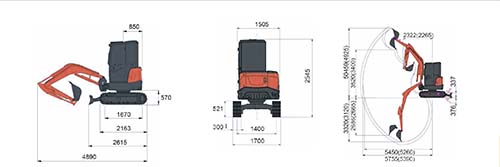
The CDM6035 weighs 3,850 kg, with an overall length in transport position of 4,790 mm. The machine’s working width with the blade stowed to the side is just 1,490 mm, enabling operation on narrow city streets, in courtyards, and during basement construction in apartment buildings.
Mini excavators weighing more than 3.5 tonnes often cannot pass through low-clearance passages or drive through gates where the CDM6035 operates without difficulty. The digging depth reaches 2,740 mm – sufficient for the majority of Latvia’s utility network projects.
In addition, the undercarriage provides stable support on the sandy and clay soils characteristic of Latvia.
An operator spends 8–10 hours a day in the cab, so comfort is not a luxury – it is a productivity factor. The CDM6035 cab meets FOPS (falling object protective structure) and TOPS (tip-over protective structure) standards.
The interior features a 4.2-inch touchscreen monitor with real-time diagnostics, a climate control system, and ergonomic joysticks with precise control. In Latvia, where summer temperatures in the cab without air conditioning can reach 40 °C, this feature is critically important.
A CE certificate (conformity with the EU Machinery Directive) is included in the delivery – no additional certification is required.
The CDM6035’s hydraulic system uses KYB (Kayaba) and Nachi components – the leading Japanese hydraulics manufacturers whose products are integrated into most of the world’s top construction machinery.
KYB hydraulic motors and pumps provide responsive, precise control, allowing the operator to carry out precision work – for example, digging directly alongside an active gas or water pipeline. Nachi hydraulic valves regulate flow rate with minimal energy loss.
The hydraulic system is designed to operate for up to 3,000 engine hours without major overhaul, provided the manufacturer’s maintenance schedule is followed.


Directive:
2006/42/EC – Machinery Directive (MD)
2000/14/EC – Noise Directive (NO)
The CDM6035 hydraulic excavator is suitable for a wide range of applications in Latvia. Here are the five most common work types:
In Riga and Daugavpils, tens of kilometres of water supply, sewage, and district heating networks are replaced every year. Narrow streets, dense urban development, and limited machine access width make the CDM6035 the ideal solution – it gets into places where a full-size excavator cannot.
Private house construction in Latvia grows every year. The CDM6035 quickly digs foundation pits, sewage trenches, and garden ponds. Its compact dimensions allow it to work in already-developed plots without damaging gardens or fences.
Road and street repair work in Latvia requires a machine that moves quickly and does not exert excessive pressure on the asphalt surface.
In Latvian agriculture, drainage restoration is a strategically important task. The CDM6035 digs narrow trenches with precise depth control, which is essential for the correct installation of drainage pipes.
In the construction of manufacturing and warehouse buildings, the CDM6035 performs preparatory work – levelling foundations, digging trenches, and moving soil between structures. Its small turning radius allows it to operate inside already-built spaces.
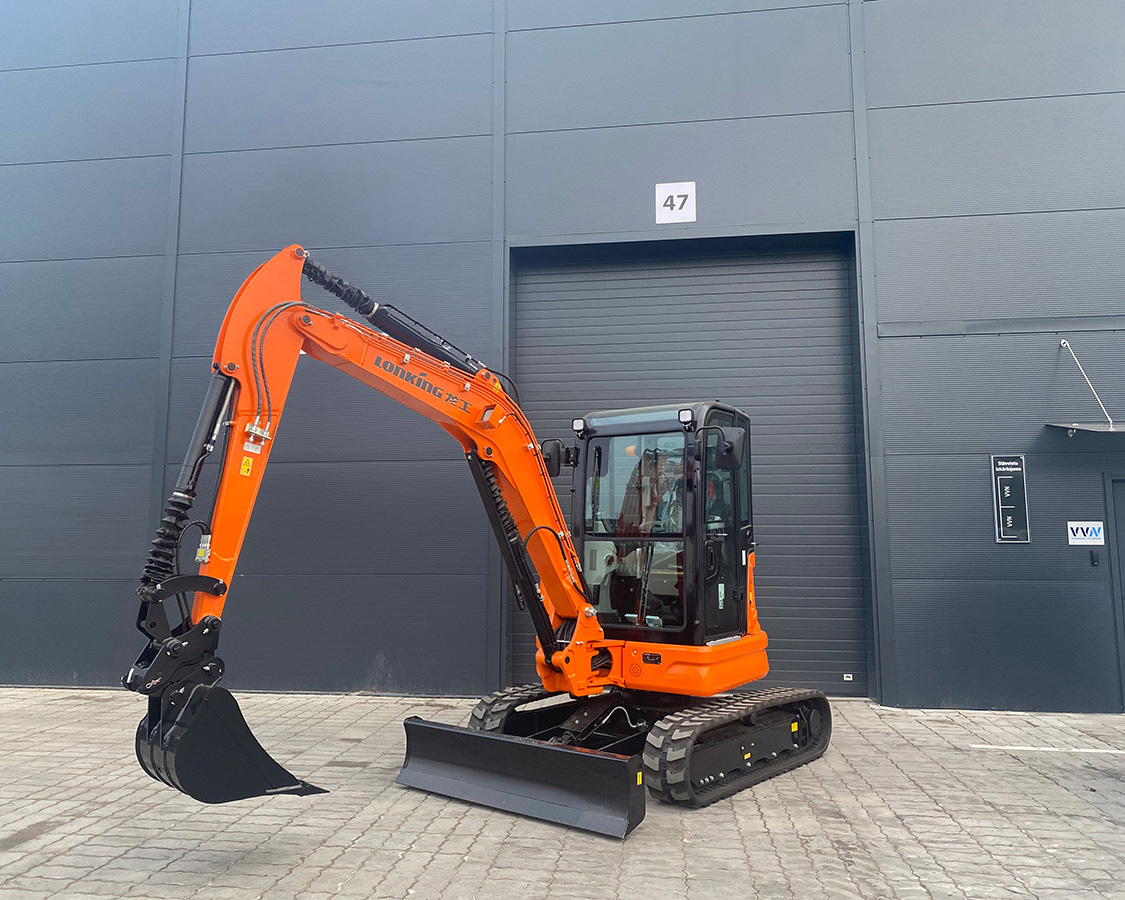
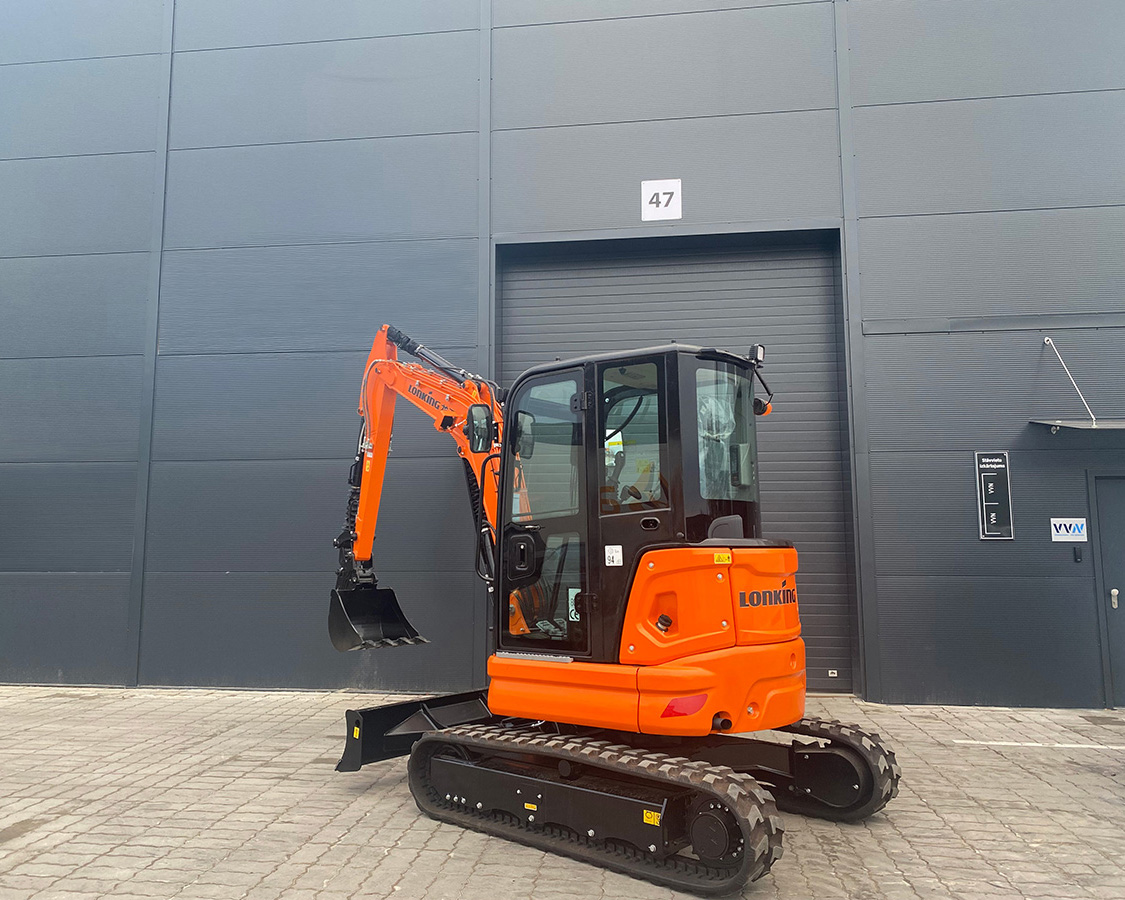
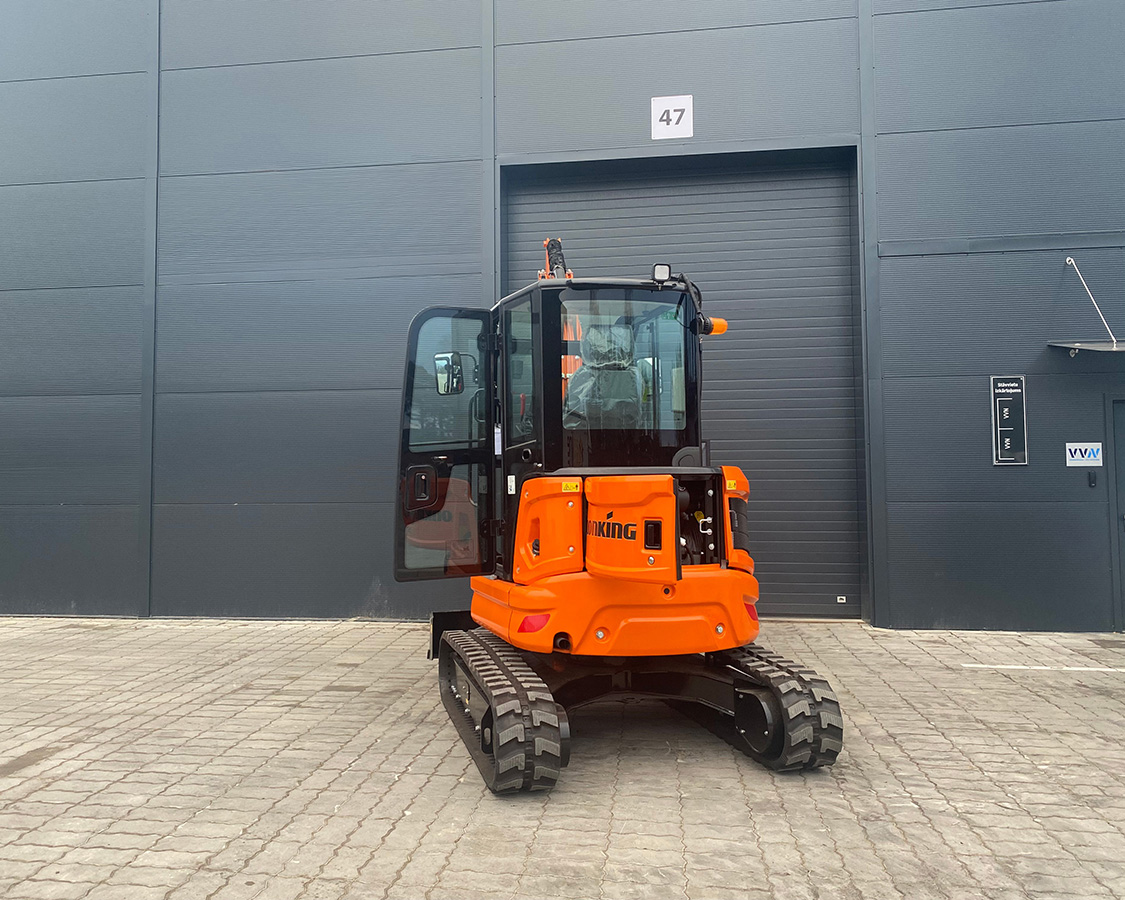
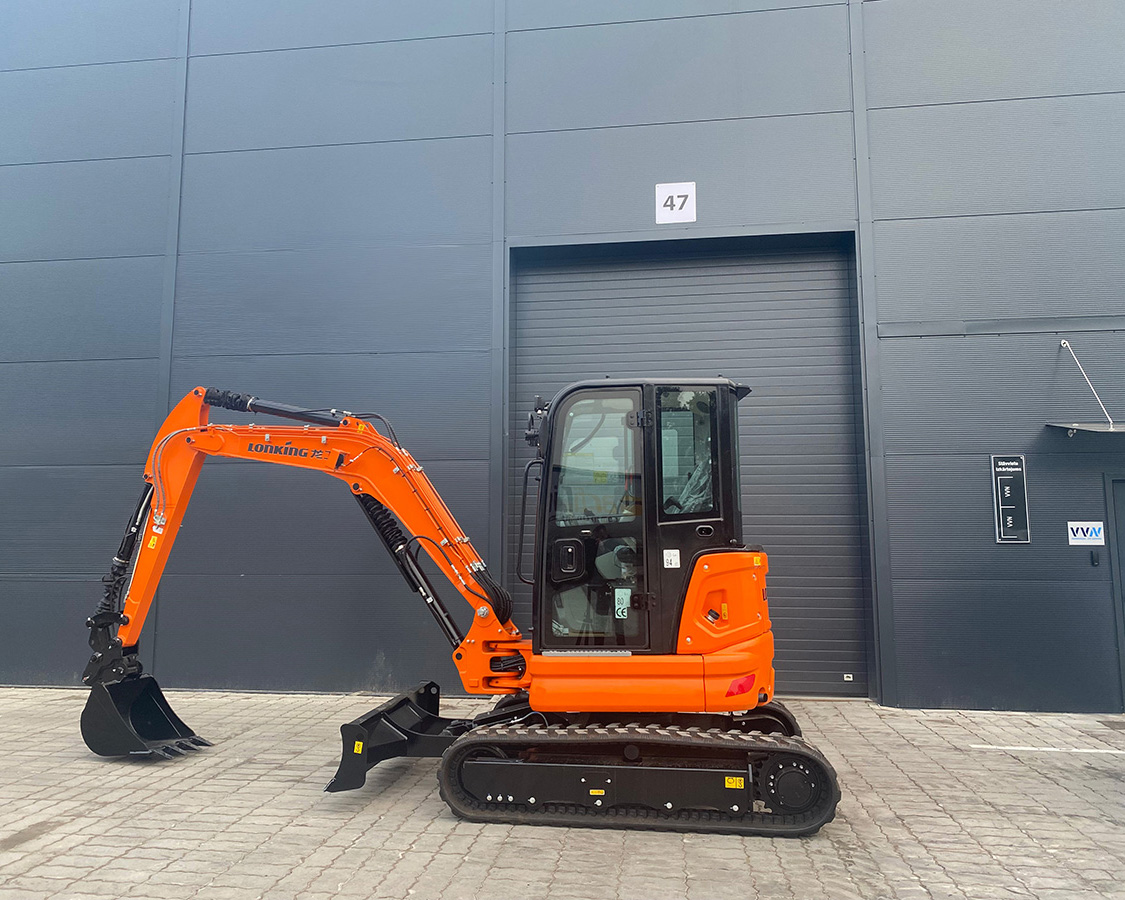
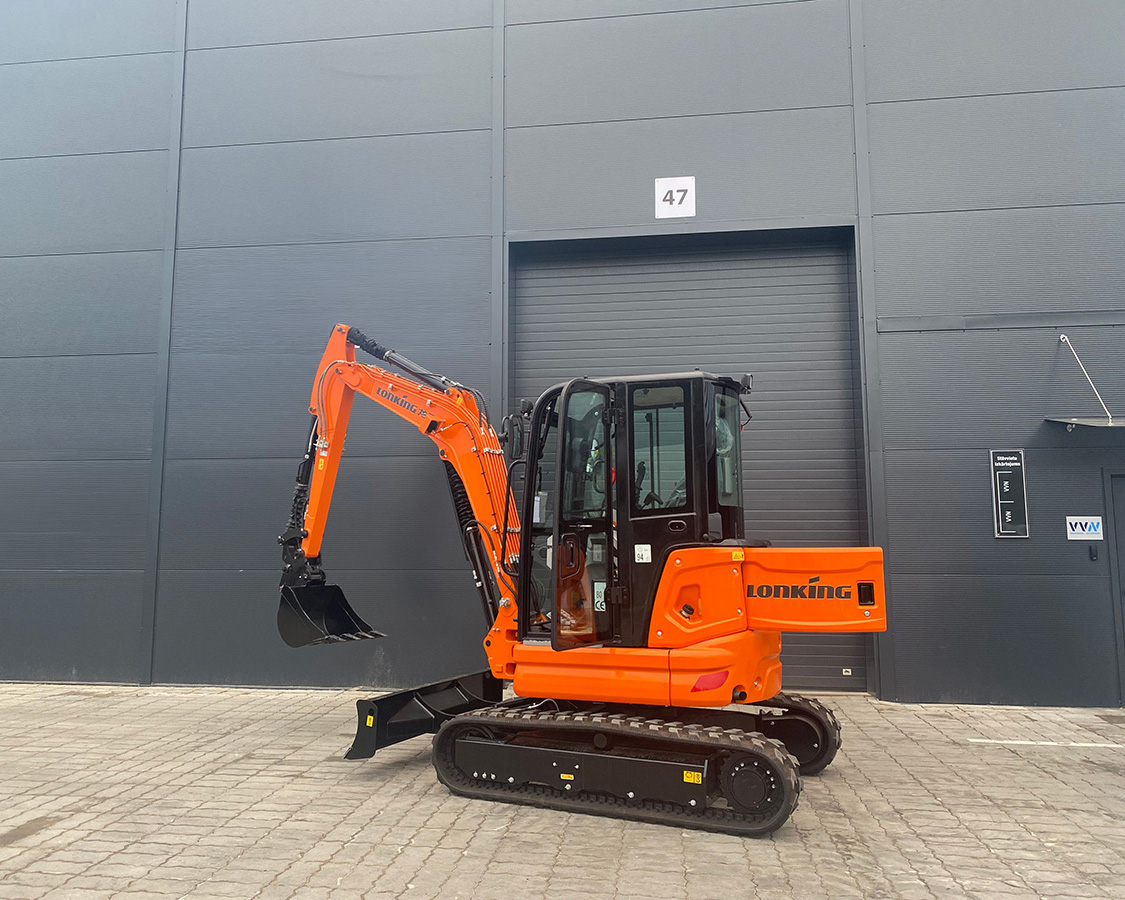
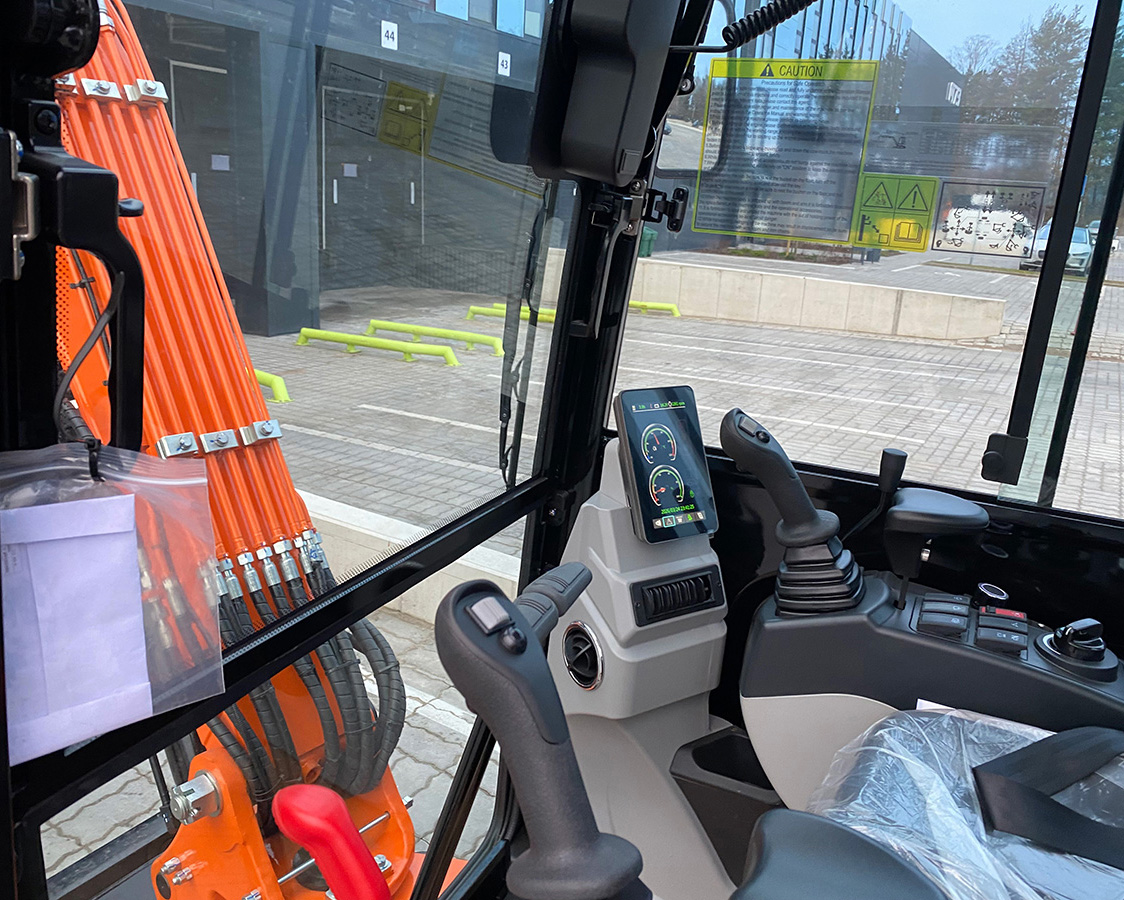
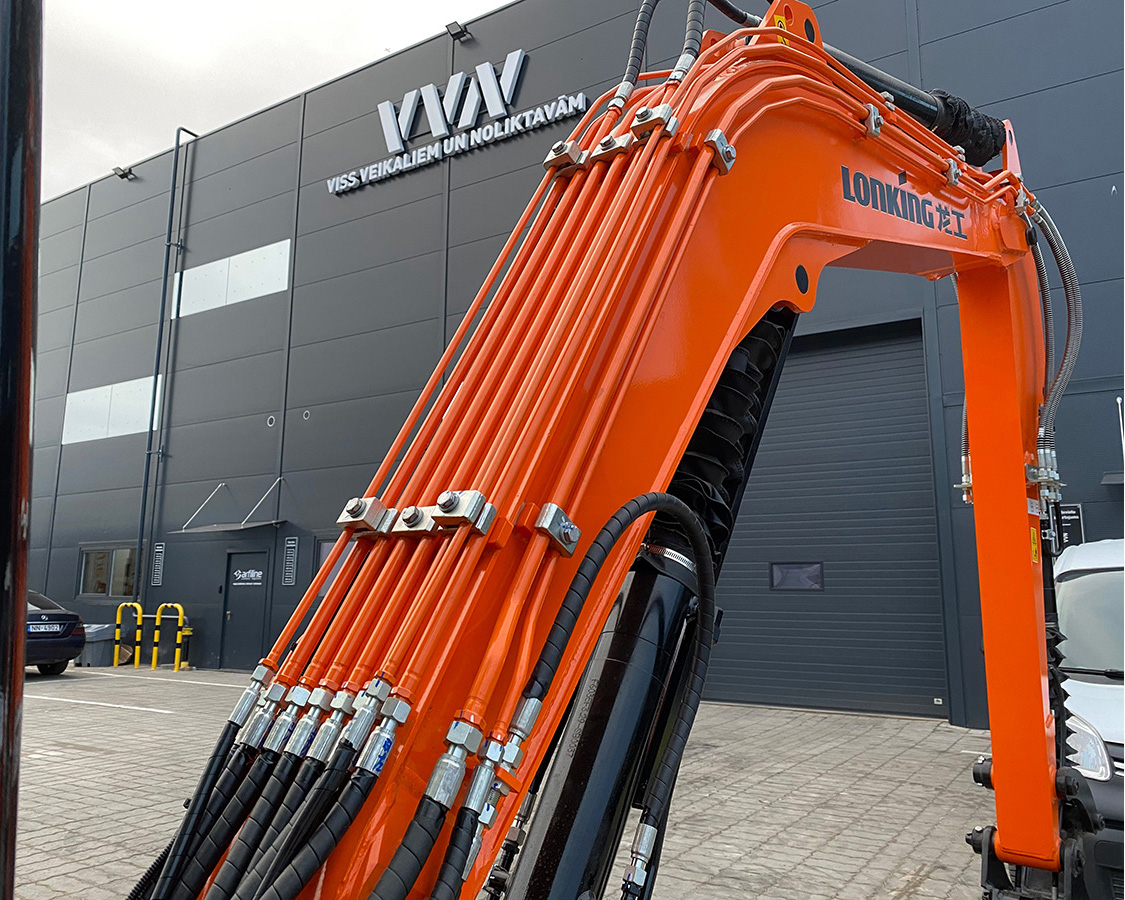
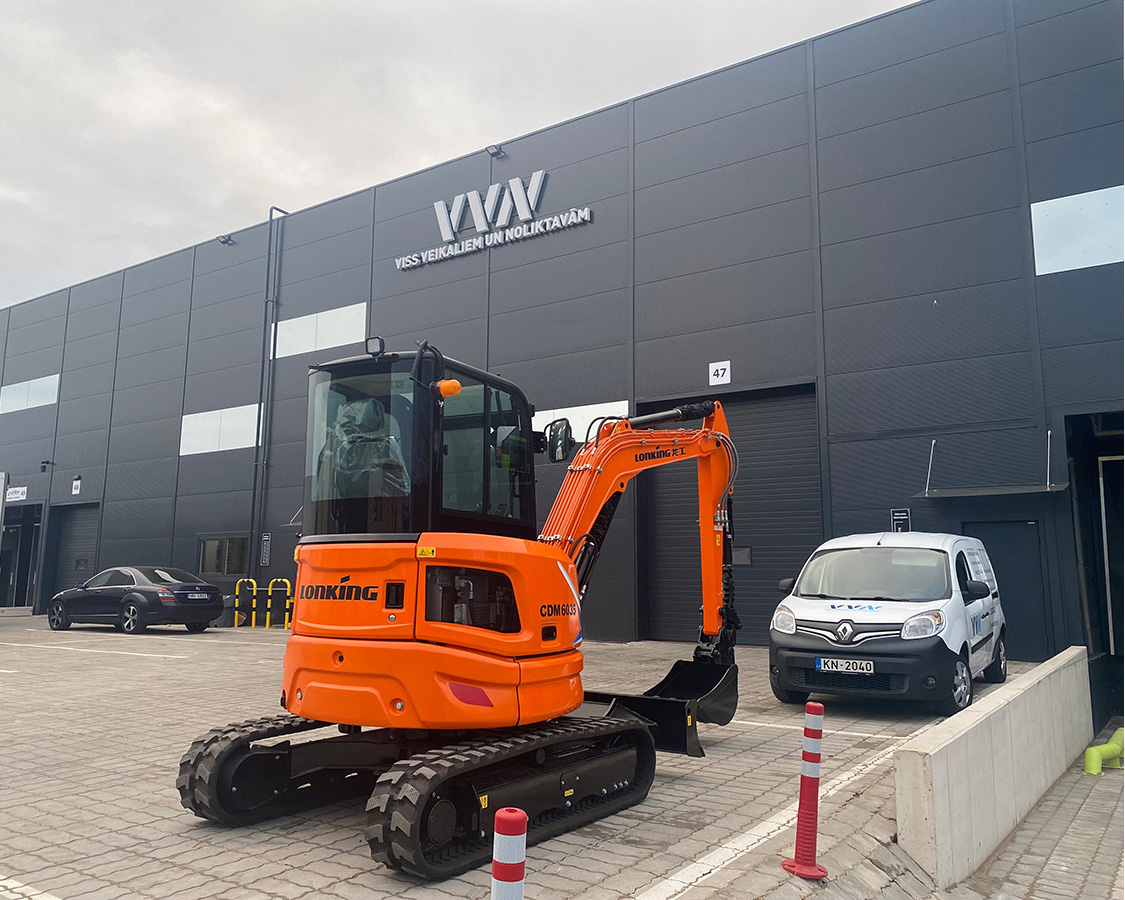
The CDM6035 provides a maximum digging depth of 2,740 mm. This fully meets the requirements of most standard construction projects in Latvia - utility network trenches (typically 1,200–2,000 mm), private house foundations, and drainage systems. The dump height (maximum height to which the bucket can be raised) is 3,850 mm, allowing excavated soil to be loaded directly into a truck trailer.
Yes, the CDM6035 fully complies with the requirements of European Union Machinery Directive 2006/42/EC and bears CE marking. This means the machine can be legally used on worksites in all EU member states, including Latvia, without additional certification procedures. The CE certificate also confirms compliance with safety standards - the FOPS and TOPS cab structure, emergency stop systems, and permissible noise emission levels.
The CDM6035 is equipped with a Kubota D1703 three-cylinder turbodiesel engine. Its rated power is 18.5 kW (25 hp) at 2,200 rpm. Kubota is one of the world's most reliable manufacturers of small diesel engines; its engines are used in agricultural machinery, generator sets, and construction equipment. The D1703 engine meets the Tier 4 Final emissions standard, which is mandatory for the EU market.
The CDM6035 has a full operating weight of 3,850 kg. This falls within the compact (mini) excavator category - mini excavators are generally considered to weigh between 1,000 and 6,000 kg. Despite its compact dimensions, the CDM6035 can dig to a depth of 2,740 mm and move substantial volumes of soil.
Mini excavators (up to 6,000 kg) are compact, economical to operate, and can access places where large machines cannot. Full-size excavators (from 20,000 kg) significantly surpass the mini class in terms of digging depth and soil volume capacity, but require higher transport costs, greater fuel consumption, and a larger work area. In practice, in Latvian construction, mini excavators perform approximately 70% of standard trenching and foundation work to a fully acceptable standard - at significantly lower cost and with far greater flexibility.
| Cookie name | Active |
|---|
Uzraksti mums.